7 Fall Mum Mistakes to Avoid for Longer-Lasting Blooms
- Plant garden mums by late summer or early fall to allow roots to establish before freezing.
- Florist mums are indoor plants and not cold-hardy.
- Garden mums need full or partial sun and watering until the ground freezes. Deadhead in fall and prune in spring.
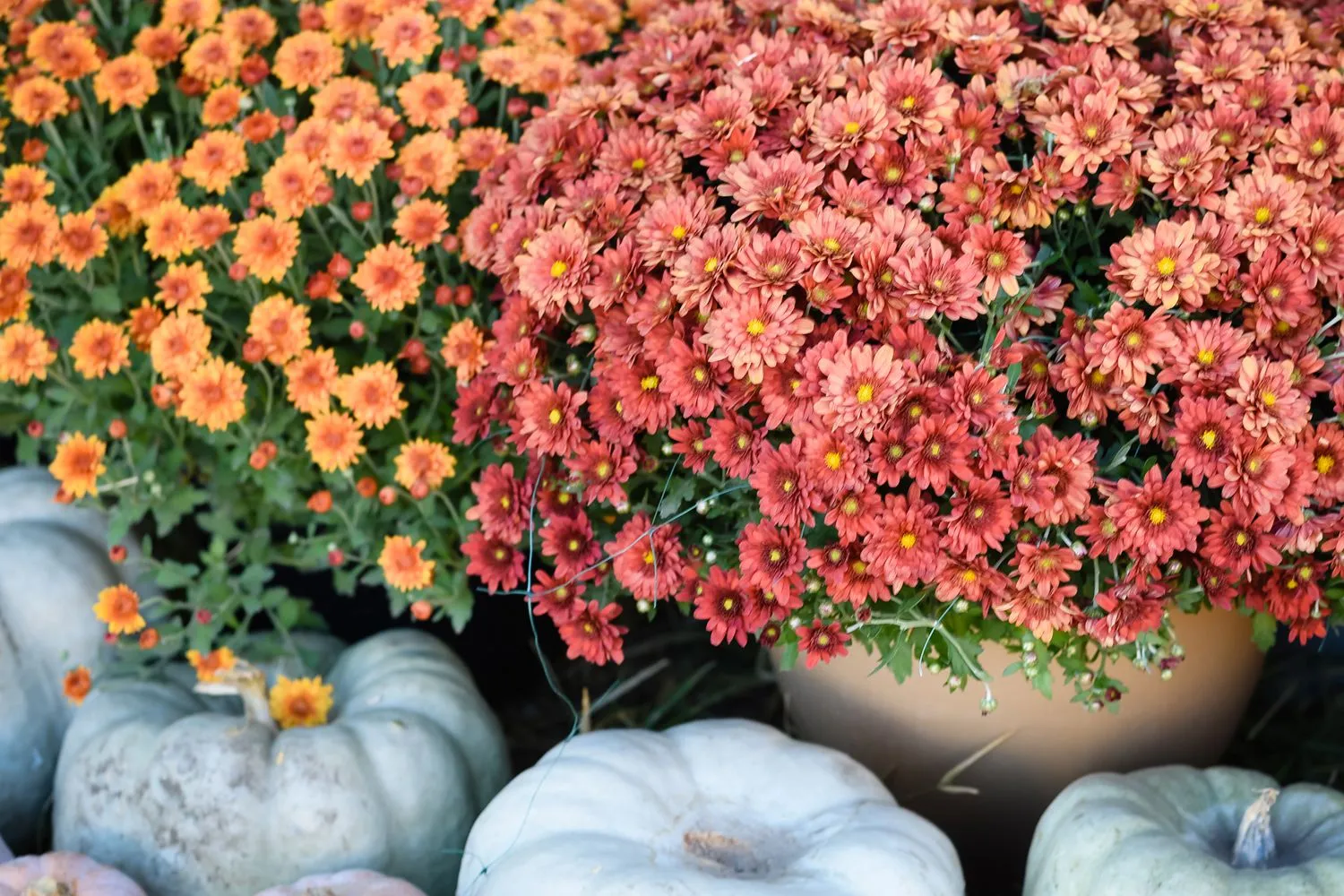
Gorgeous mums in shades of red, yellow, orange, purple, and white pop up everywhere in the fall. Use them for autumn displays on your porch, along with dried cornstalks, gourds, and pumpkins. After the flowers finally finish blooming, you might be tempted to plant them in the garden thinking that they will survive the winter. But by the following spring, your plants may be reduced to clumps of dead stems.
According to mum-growing pros, planting mums late in fall isn’t recommended. But if you know which common mistakes to avoid. mums are pretty easy to grow as perennials.
- <strong>Amy Enfield</strong> is a live goods senior scientist for the Scotts Miracle-Gro Company.
- <strong>Cynthia Drumgool</strong> is a potted plants and mums manager with Ball Horticultural.
1. Ignoring the Type of Mum
Garden mums are sold in garden centers and nurseries in late summer and fall. Although botanically, mums are perennials in USDA Zones 5 to 9, planting them after you’re done using them in your fall porch pots, they likely won’t survive winter.
“Garden mums should be planted outdoors by late summer or early fall so the roots have time to form before the soil freezes,” explains Amy Enfield, a live goods senior scientist for the Scotts Miracle-Gro Company. And even when planted at the right time, “there’s no guarantee they will survive the winter, particularly the further north you live in the U.S.,” she adds. These mums require excellent drainage, good soil moisture, and possibly a layer of mulch to improve their chances.
Enfield explains that florist mums, the kind sold in the houseplant section of your local grocery store, aren’t meant to be transplanted at all. “Unlike garden mums, these mums are meant to be kept indoors as potted plants and are not cold hardy.”
Related
2. Planting in Too Much Shade
Cynthia Drumgool, a potted plants and mums manager with Ball Horticultural, says garden mums need full or partial sun. One exception: in very hot climates, mums benefit from a bit of shade during the hottest part of the day. Otherwise, give them plenty of sun for plenty of blooms.
3. Over-Fertilizing Your Plants
If you have perennial mums growing in your garden, you can give them fertilizer with nitrogen when they’re starting to grow leaves and branches in spring. But don’t fertilize once your mums form flower buds, says Enfield. Fall mums will benefit from a high-phosphorus fertilizer that promotes root development.
4. Forgetting to Water Mums
Enfield says one of the biggest mistakes you can make with fall-planted mums is failing to water them. “Days are cooler, the sun isn’t as intense, so plants, even those in containers, don’t dry out as quickly. However, plants will continue to require water until the ground freezes.”
While you may need to water daily in the summertime, water only when the top inch of soil feels dry to the touch after the weather cools down. Do the same for potted indoor mums.
5. Cutting Garden Mums Back Too Soon
Enfield advises that you deadhead your garden mums in the fall but leave the rest of the plant alone for as long as possible. Fall mums use their leaves to turn sunlight into energy for forming roots. Wait until the following spring to do additional pruning or until the stems die back to the ground. Then, cut the mum stems down to about an inch above the ground before new growth appears.
6. Pinching Mums Too Late (or Not at All)
If you don’t pinch the growing tips of your garden mums, they’ll bloom, but you’ll have plants with long stems and fewer flowers. “Pinching to remove flower buds helps encourage the plant to branch and become fuller,” Enfield says. “Stop pinching in early July (no later than mid-July) and allow the buds to form and flower.”
7. Not Improving Drainage
Mums won’t thrive in soil that drains poorly and stays too soggy. That’s especially true in cold-winter areas, says Enfield. So if you have heavy clay or compacted soil, mix in some good-quality garden soil or compost to loosen it and improve the drainage in your planting site.
Finally, Enfield says that the fall mums now sold in garden centers aren’t the same kinds of plants sold 20 years ago. Although garden mums are considered hardy to Zone 5, breeders have developed fall mums with big mounds of showy flowers that may not be as cold-hardy as in the past.
So, if your fall-planted mums don’t come back like true perennials, treat them as annuals. Replace them with beautiful, fresh plants when you’re ready to decorate for fall and enjoy their colorful blooms for the season.
Frequently Asked Questions
- Do mums come back every year?
If you live where mums are hardy and you plant perennial mums, they should come back every year, but they need to be properly cared for to survive winter.
- Are mums toxic to pets?
Mums are toxic to pets so keep them away from your furry friends.
- <span>Gardening</span>
- <span>Flowers</span>
- <span>Perennials</span>