7 Ways to Rewild Your Yard to Attract More Birds, Bees, and Butterflies
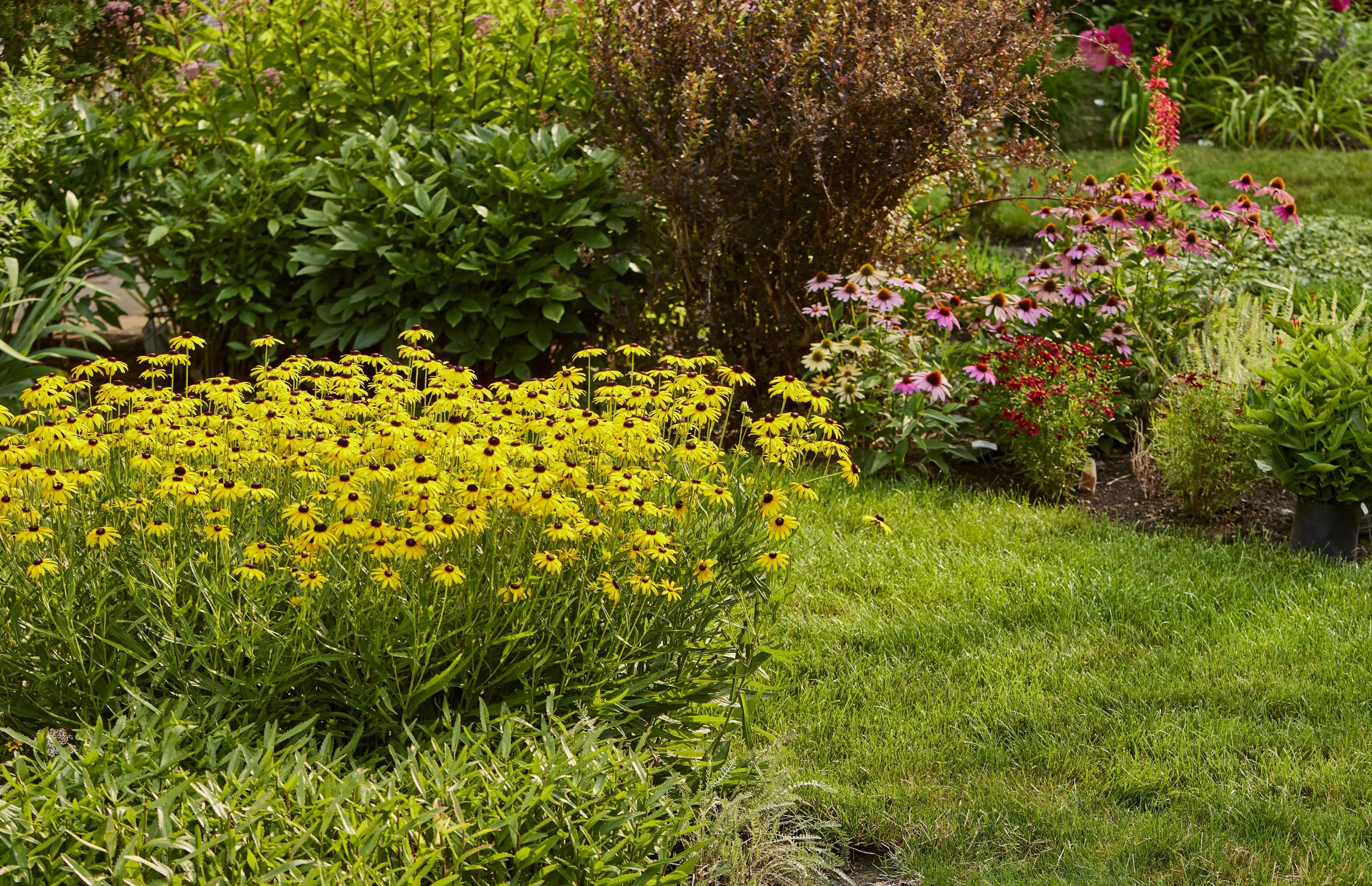
- Native plants reduce maintenance, boost biodiversity, and provide habitat for pollinators, birds, and other wildlife.
- Replace turf grass with wildflowers or clover, mow less often, and avoid chemicals for a pollinator-friendly yard.
- Add bird baths, bee houses, and native trees or plants with hollow stems to attract and support wildlife.
Dreaming of finding your garden abuzz with bees or hearing the twitter of songbirds through your window in the morning? Feeling close to nature can be incredibly rewarding, and you don’t need a huge yard or garden to invite nature in.
No matter where you live or the type of space you’re working with, here are seven ways to start rewilding your lawn and garden for a more natural feel and more wildlife visitors.
What Is Rewilding?
Rewilding happens when we let nature be nature. On a large scale, rewilding occurs when native trees are planted in parks and other conserved land, or when streams are redirected to flow as they did before human intervention. However, rewilding doesn’t need to be a massive undertaking. It can be accomplished right in your own yard.
By growing native plants and letting lawns get a little “wild,” the rewilding process reduces the amount of maintenance lawns and gardens need. But it also helps to provide food and shelter for birds, pollinators, and other wildlife, which increases biodiversity. Best of all, rewilding can be done just about anywhere , including in urban areas and properties where you may not have the space for a full garden.
How to Start Rewilding Your Yard
The goal of rewilding is to restore nature to itself while leaving plenty of space for us to enjoy nature, too. You don’t need to rewild your lawn all at once. In fact, it’s usually easiest to rewild little by little so you can adjust as you go and enjoy each step of the rewilding process.
1. Grow Native Plants
Native plants are species that naturally grow in a region or ecosystem. For North America, these are defined as plants that were present before European colonization. Not only are native plants easier to keep and less demanding about water and fertilizer than non-native ones, but they’re also adapted to local temperatures and climate patterns, comparatively resistant to pests, and up to four times more attractive to pollinators.
Which plants are native will vary depending on where you live. Some common North American natives that are particularly good for attracting wildlife include:
- Milkweed
- Bee balm
- Black-eyed Susan
- Liatris (blazing star)
- Coneflower
- Yarrow
- Cardinal flower
- Native oaks, such as red oak and white oak
- Native conifers, such as eastern red cedar
Even if you don’t have a yard, you can still attract pollinators by growing a few well-chosen natives in roomy pots on your patio or balcony.
2. Try an Alternative Lawn
Turf grass lawns, though the symbol of a well-maintained American yard, offer few benefits to wildlife and require more water and maintenance than many other plants with far more benefits for the ecosystem. Not to mention, the grass varieties that are typically grown in lawns aren’t even native to North America. Swapping out some or all of your turf grass lawn for wildflowers or bee-friendly clover lawn can make your space more pollinator-friendly and help it feel a little more delightfully “wild” too.
Related
3. Mow Less
Even if you keep your turf grass lawn as is, moving your mower deck up higher and mowing your lawn a little less frequently, or only parts of your lawn, helps rewild your property. Minimal lawn care reduces the amount of maintenance you need to do in your yard and frees up valuable time for other gardening tasks. Longer grass is also more inviting to wildlife; it attracts pollinators and provides nesting spots for birds.
4. Go Organic
To encourage pollinators to visit, reduce the amount of chemicals you use in your garden. Even organic pesticides target more than just the pest and can harm butterflies and bees if they’re applied in the wrong way. Synthetic fertilizers can leach into waterways and cause other environmental issues.
Instead, try out organic gardening techniques like crop rotation and companion planting, use row covers to keep pests off veggie plants, and enrich your soil naturally with homemade compost.
5. Provide Shelter
Growing evergreens and other native trees is the best way to provide shelter for nesting birds and pollinators. But you can also encourage wildlife to stick around your garden by installing bee houses and bird boxes, and growing plants with hollow stems. Many native bees nest in hollow plant stems, and growing native plants like Joe Pye weed and purple flowering raspberry will provide them with safe spots to rear their young.
6. Create a Water Feature
The goal of rewilding is to restore nature to the way it once was, but sometimes that may have to be done artificially. If your garden does not have a natural water feature, add a small pond or a bird bath to provide fresh water for wildlife and act as a magnet for birds in summer. Just be sure to refresh bird baths regularly and consider adding small stones to the side of deep bird bath basins so that small insects can scramble out if they accidentally fall in.
To prevent mosquitoes from laying eggs in standing open water, use mosquito dunks.
7. Leave the Leaves
Allowing autumn leaves to remain in flower beds through winter can do a lot for local wildlife. Letting leaves naturally decay into the soil feeds soil microbes and makes gardens healthier in the long run. If you prefer a tidier look, wait until the weather warms in spring to rake fallen leaves out of your flower beds. This gives any pollinators that may be overwintering in old leaf litter time to emerge.
- <span>Gardening</span>
- <span>Garden Design</span>
- <span>Nature Lovers' Gardening</span>
"Landscaping With Native Plants." Commonwealth of Pennsylvania.
"Provide Food Sources." Penn State College of Agricultural Sciences.