This Simple Planter Trick Instantly Makes Houseplants Look More Put Together
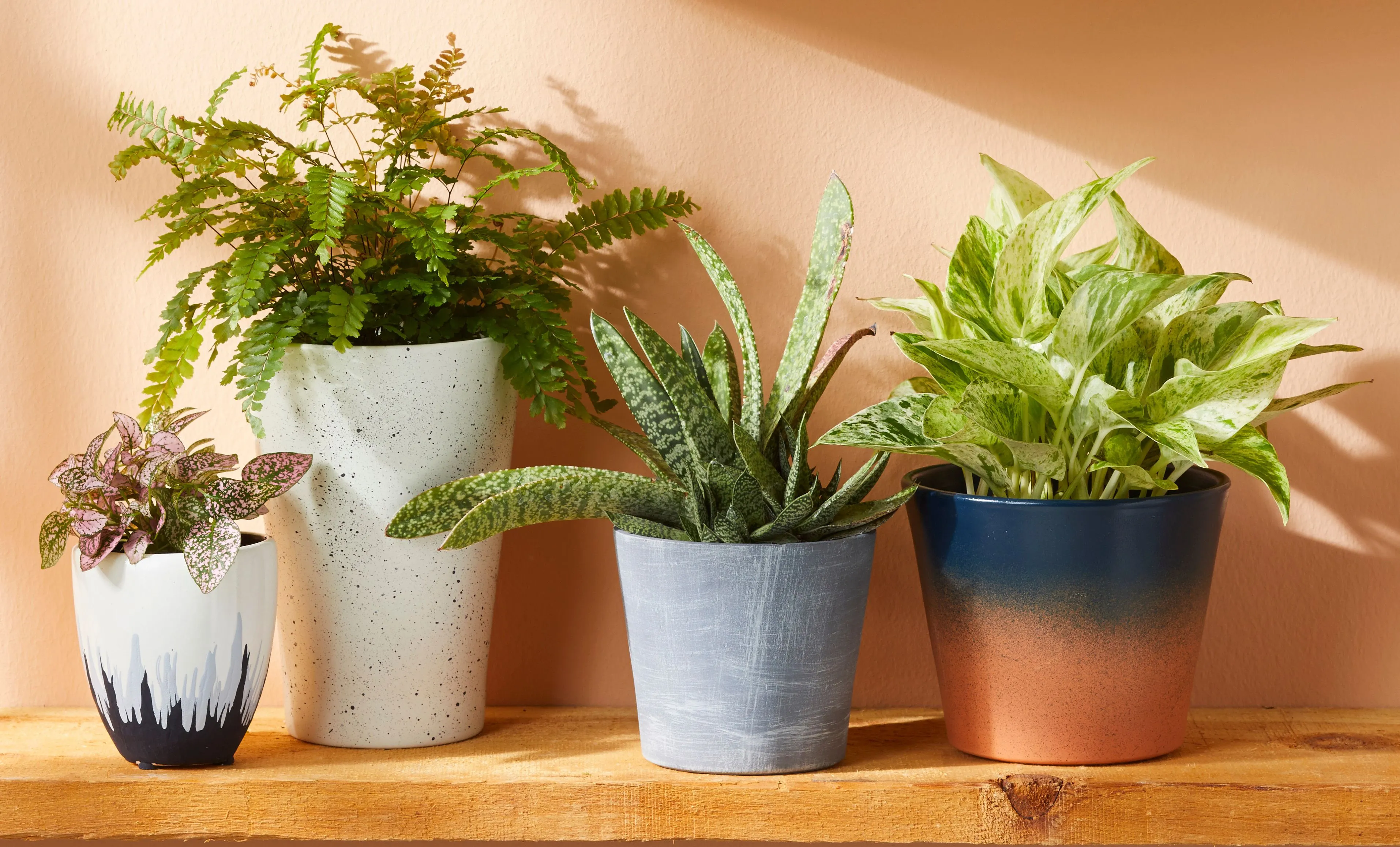
- Cachepots are decorative containers without drainage holes that became popular in the Victorian Era for easily rotating houseplants seasonally.
- Use cachepots to hide plain plant pots, protect surfaces from water damage, and elevate home decor without repotting.
- To prevent root rot, water plants outside the cachepot, then let them drain fully.
You’ve probably seen a cachepot in action before without realizing what it was. A cachepot (pronounced “cash poe”) is a French term that translates to “hide a pot,” and that’s exactly what this container does.
Say you have a lovely houseplant in a not-so-lovely plastic nursery pot. Now place that plant into a pretty cachepot, and voila! That houseplant turns into a statement piece, no repotting necessary. Here’s how to use cachepots to elevate your houseplant collection and your home decor.
Some people skip the French pronunciation and go with the more colloquial “cash pot.”
Who Uses Cachepots and Why?
Cachepots became popular in the Victorian Era because they made it possible to rotate plants in and out of the house without constantly matching pots to the decor or repotting plants. Victorians adored houseplants and incorporated them into their interiors with gleeful maximalist excess. With a cachepot or three, you rotated houseplants among your fancy planters as the seasons changed. The plants moved, but the cachepots didn’t. That’s still how they work.
Cachepots don’t have drainage holes, so they protect the furniture or rug they sit on from damaging water leaks that can come with indoor plants. The plant’s interior pot has drainage holes, hidden in the cachepot, so your plant won’t drown and your hardwoods won’t get wrecked.
Cachepots range in size from small enough to put on a shelf with an African violet tucked inside to oversized containers that could hold an 8-foot parlor palm. Cachepots tend to be made of upscale materials like glass, metal, pottery, or ceramic. They’re made to outlive houseplants and outlast trends. Classic cachepots (the ones passed down as heirlooms and antiques) may be made of porcelain and have botanical prints that make them look like classic 19th-century china.
Related
How to Care for a Plant in a Cachepot
When caring for a houseplant in a cachepot, remember the cachepot does not have drainage holes. For this reason, don’t water a plant while it’s in the cachepot. Excess water can run out of the plant pot, pool in the bottom of the cachepot, and cause the plant roots to rot. This will eventually cause the plant’s demise.
The best way to water a plant in a cachepot is to lift the inner pot out of the cachepot and take it to a sink. Run water over the plant slowly until water runs out of the bottom, through the drainage holes. Let the plant drain until it is no longer dripping, then return it to the cachepot.
Fit the plant to the cachepot. Ideally, the cachepot should be 1–2 inches wider than the plant pot, and a few inches taller. If the plant in a cachepot is too big to lift out easily, water it in the pot sparingly. Make sure the plant doesn’t sit in standing water for days. If you accidentally overwater, scoop or sponge out any excess water that remains in the bottom after half an hour.
- <span>Gardening</span>
- <span>Houseplants</span>
- <span>Caring for Houseplants</span>